.svg)



%20(1).svg)
%20(2).svg)
.png?width=480&height=420&name=Img%20(1).png)
%20(3).svg)
%20(4).svg)

%20(5).svg)


 View all states

7 mins
-3.png)
In this blog
Qualifying for a traditional financial assistance program can often bring in stress and also make homebuyers worry given the stringent qualifying criteria, continuously rising housing prices along with large upfront costs. Government insured mortgages play an important role here. For those wondering what are government insured mortgages – they are financial assistance programs that are assisted by the federal government like Federal Housing Administration, the Department of Veteran Affairs and USDA to make home financing available for all eligible borrowers.
These financial assistance come with a government backing to lenders against losses in case the borrower defaults take place. This added protection is what makes several private lenders willing to provide loans with flexible qualification standards like lower credit scores and lower down payments.
How Government Insured Mortgages Work
A government insured loan is not directly issued by the government often but by approved banks, credit unions, and mortgage companies that provide the mortgage loan. Federal agencies only guarantee or insure a portion of the risk. With this several borrowers who may not avail standard sl mortgage can avail loans at competitive interest rates, flexible payment requirements, and reduced upfront expenses to fund purchase of primary residences and not investment properties or vacation homes.

FHA Loans and Federal Housing Administration Programs
The FHA program is one of the most recognized forms of government insured mortgages which is backed by the Federal Housing Administration FHA. This loan structure assists homebuyers who have limited savings or less-than-perfect credit profiles.
Why FHA Loans Are Popular Among Borrowers
Most first time homebuyers prefer FHA loans as they allow:
- Lower down payments
- Adaptable qualification standards
- Reduced minimum credit score limits
- Competitive monthly payments
The loan is insured by the Federal Housing Administration which makes the lenders feel more comfortable approving loans for borrowers with shorter or imperfect credit histories. While FHA loans may be beneficial, it is important for borrowers to know that FHA loans require both upfront and annual mortgage insurance premiums that protect lenders if a borrower defaults.
FHA Approved Lenders and Property Standards
Every lender does not have the authority to issue FHA financing. A borrower must associate with FHA approved lenders and the property must be assessed by an FHA approved appraiser. This appraisal ensures minimum safety and structural standards defined by Housing and Urban Development are met.

VA Loans and Benefits for Service Members
VA loans are government backed mortgage options that are backed by the Department of Veterans Affairs and are provided to:
- Veterans
- Active duty military personnel
- Active duty service member households
- Eligible National Guard members
- Certain surviving spouses
VA Loan Benefits for Eligible Individuals
From different government loans available VA financing is beneficial as they:
- Require no down payment
- Require no ongoing private mortgage insurance
- Provide competitive interest rates
- Have adaptable, varying qualification guidelines
- Offer lower closing costs
The Veterans Affairs VA program guarantees a portion of the loan encouraging lenders to extend financing to eligible borrowers with fewer financial barriers, this financial assistance program works well for military families and service members.
USDA Loans for Rural and Suburban Buyers
USDA loans are another type of government backed financing that are meant to support buyers looking for homes in approved rural or suburban regions. Eligibility often depends on:
- Median household income
- Property location
- Size of the household
- Thresholds of local income
USDA financing is helpful for homebuyers with inadequate or limited savings with its zero-down financing. USDA also aims at expanding access to affordable housing opportunities.
Government Backed Loans Vs Conventional Loans
It is essential to know the difference between government backed loan programs and conventional loans when choosing a mode of financing.
Conventional Mortgage Options
A conventional mortgage is offered by banks or mortgage institutions without federal guarantees or government backing. As the lenders only assume the risk, buyers can expect:
- Higher credit score with good credit history
- Larger down payment
- Better debt-to-income ratios
- More extensive financial review
Borrowers putting down less than 20% may also need private mortgage insurance, which increases monthly housing costs.
Government Loans and Flexible Standards
A government insured financing program is beneficial for:
- Home loan applicants who have relatively lower credit scores
- Applicants with relatively lower savings
- Individuals seeking fewer closing costs
- Applicants with shorter credit histories
These features make government home loans attractive for first time home buyers.
Costs Associated with Government Insured Mortgages
Government backed financial assistance programs make it relatively easier for borrowers to get loans, but they must still prepare for certain additional costs that are a part of loan process as follows:
- Closing costs
- Insurance premiums
- Property taxes
- Appraisal fees
- Interest charges
- Escrow payments
When it comes to FHA financing, mortgage insurance premiums are important and it depends on unpaid principal balance and overall total loan structure. Make sure to make financial decisions by considering if the loan is affordable depending on one’s income, current debts, long-term financial goals, and expected repayment schedule.
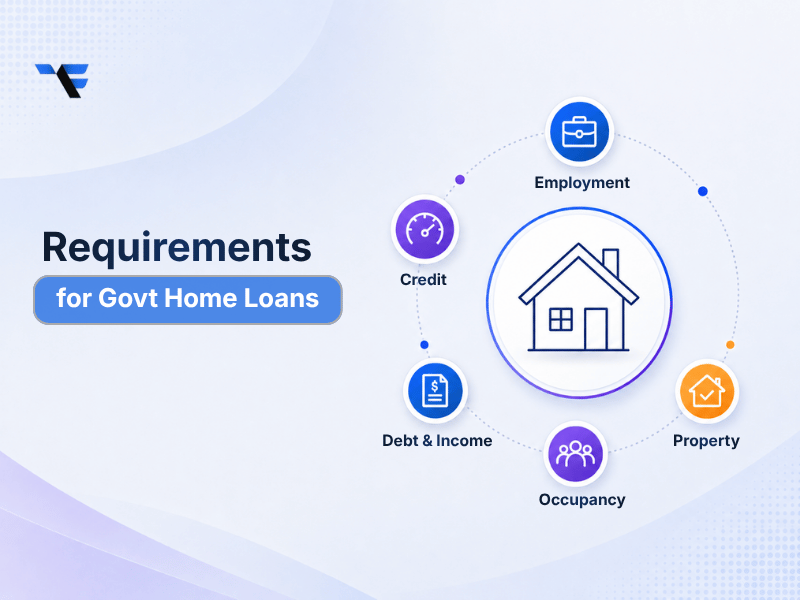
Eligibility Requirements for Government Home Loans
Every program has well denied eligibility requirements, but common attributes include:
- Employment history
- Credit report
- Existing debt with income stability
- Property eligibility
- Occupancy status
Certain financial assistance programs also check the purchase price limitations as well as local housing guidelines associated with urban development goals. As a borrower, one must compare different available loan types to pick one that best suits their long term financial goals.
Understanding what government insured mortgages can help borrowers make informed home financing decisions. Whether exploring FHA and USDA loans, reviewing VA loans, or comparing options against a conventional mortgage, these programs are designed to improve accessibility for eligible buyers.
From reduced upfront costs to flexible qualification standards, government backed home loans continue helping millions of Americans secure stable housing opportunities. Buyers should carefully evaluate their income, credit standing, and long-term goals before selecting the right mortgage structure. Working with experienced professionals such as Truss Financial Group can also simplify the loan process and help borrowers identify financing solutions aligned with their needs.
Frequently Asked Questions
1. What are government insured mortgages?
They are mortgage programs backed or insured by federal agencies to reduce lender risk and improve access to home financing.
2. Are FHA loans government insured?
Yes. FHA loans are insured by the Federal Housing Administration and offered through approved lenders.
3. Do VA loans require private mortgage insurance?
Most VA loans do not require private mortgage insurance, which can reduce monthly housing expenses.
4. Can borrowers with lower credit scores qualify?
Yes. Many government-backed loan programs are designed to accommodate borrowers with lower credit scores and limited savings.
5. Are government home loans only for first-time buyers?
No. While many first-time buyers use these programs, repeat buyers may also qualify depending on the loan type and eligibility rules.

.svg)

Discuss your unique requirements
Get direct answers and a roadmap for your future.
.png?width=202&height=202&name=image%20588255187%20(1).png)

-1.png?width=389&height=221&name=Blog%20covers%20(36)-1.png)


.png?width=389&height=221&name=Blog%20Cover%20(1).png)


.svg)

.svg)
.svg)