.svg)



%20(1).svg)
%20(2).svg)
.png?width=480&height=420&name=Img%20(1).png)
%20(3).svg)
%20(4).svg)

%20(5).svg)


 View all states
%20(1)-1.png?width=40&height=40&name=image%20(65)%20(1)-1.png)
7 mins
-2.jpg)
In this blog
When taking a heloc loan, a borrower comes across different lender charges which add up to the total borrowing cost. At times these charges may be added as standard fees and often can appear as hidden fees. This is why reviewing the fine print carefully is essential when signing any agreement. While some lenders may talk of low-cost options, it is important to understand the breakdown when assessing the actual value of the home equity line.
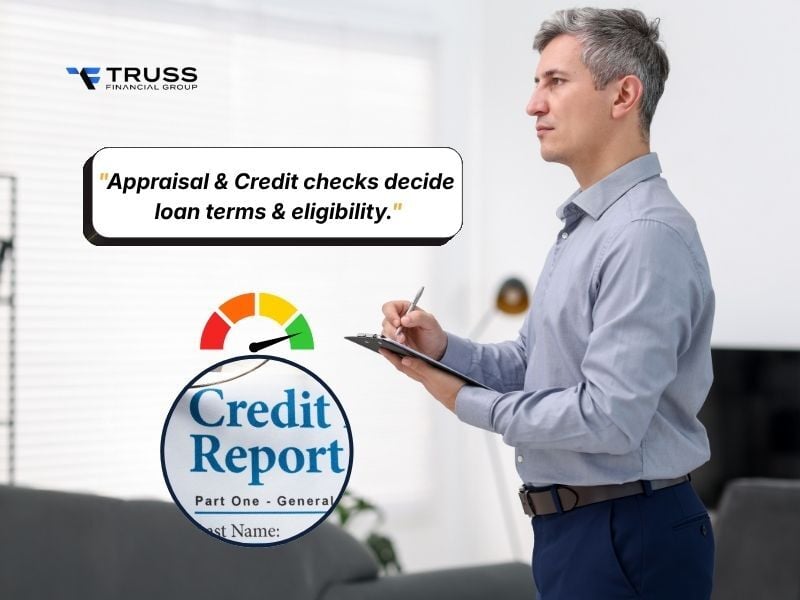
1. Appraisal and Credit Costs
- Appraisal fee: It is essential to determine what proportion of home equity one has. Often, lenders may conduct in person appraisals, while some may also go for automated valuation models depending on the location and the size of the property.
- Credit report fees: Lenders always assess the credit report and credit history for any risks before determining eligibility.
These closing charges help in determining the loan amount along with the applicable interest rate, and approval terms.
2. Origination and Underwriting Fees
- Origination fee: The Origination fee typically ranges from 0.5% to 1% of the total loan amount and includes administrative and processing costs.
- Underwriting fee: This refers to the fees taken for reviewing the financial profile which includes debt to income ratio, gross monthly income, and monthly debts.
Assessing these fees ensure the financial profile aligns with the lending requirements and reduces risk for the lender.
3. Legal and Documentation Costs
- Notary fees
- Attorney fees or document preparation costs
- Settlement fees (typically between $200 and $1,000)
These legal costs help lenders create agreement documents and establish lien position; be it the first lien position or a second mortgage associated with the property.
4. Title-Related Fees
- Title search fees
- Title insurance
The title search determines the property is free from disputes or existing claims whereas title insurance protects both the lender and borrower from future legal issues related to ownership.
Ongoing Fees and Hidden Costs to Watch Out For
Even after tackling the upfront closing costs, a home equity line may still have some additional ongoing fees which can impact the overall cost and must be monitored periodically. They include:
- Fees for maintaining accounts like the annual fees or yearly fee for maintaining the account
- When the available equity isn’t used, inactivity fees is charged
- Transaction fees when you withdraw funds in the draw period
- Prepayment penalties when one decides to close the account early
Few lenders also impose early termination fees, typically ranging from $200 to $500 or 2% to 5% of the outstanding balance if the account is closed in the first 2–3 years. These are important to evaluate when one plans to use the equity line of credit.

How HELOC Payments Work: Interest and Repayment
A line of credit heloc works on a variable rate - which means the interest payments fluctuate according to the market conditions.
Borrowers have the flexibility to make interest only payments or with the principal amount in draw period which keeps the monthly payment relatively low. Once the repayment period begins, borrowers must repay both principal and interest payments thereby increasing the loan payment amount.
Understanding this shift is critical to avoid financial strain and maintain control over your monthly debts.
Are HELOC Closing Costs Tax Deductible?
Closing costs and interest payments that are linked to HELOC are often tax deductible, especially when the funds are used in home renovations that enhance the property value. However, the rules are not universal and depend on the purpose of withdrawing funds as well as the geographic location.

HELOC vs Home Equity Loan: Cost Comparison
With HELOC and home equity loan, a borrower can access the available equity but are different in terms of structure and cost implications.
|
Feature |
HELOC |
Home Equity Loan |
|---|---|---|
|
Interest Type |
Variable rate |
Fixed rate |
|
Access |
Revolving |
Lump sum |
|
Closing Costs |
2%–5% |
2%–5% |
|
Payments |
Flexible initially |
Fixed monthly |
|
Fees |
More ongoing fees |
Fewer recurring charges |
A home equity loan is ideal for use in predictable, one-time expenses given the fixed monthly payment. HELOC loan allows to withdraw only desired amount of funds at any time, making it ideal for use in phased spending.
How to Reduce HELOC Closing Costs
If you’re concerned about heloc closing costs, there are practical ways to save money and optimize your borrowing experience:
- Compare multiple lenders, as some lenders offer helocs with reduced or waived application fees
- Negotiate the origination fee or request bundled pricing options
- Look for promotional offers that cover certain upfront expenses
- Maintain a strong credit profile to secure better terms and lower interest rate
Key Factors That Affect HELOC Costs
HELOC total cost is determined by several factors like credit report, one’s credit history, debt to income ratio along with the loan to value (LTV) ratio of the property. Additionally, the valuation of property along with the location significantly affects the HELOC Costs.
Final Thoughts & Conclusion
If you are still wondering - are there closing costs on a heloc, then yes, there are closing charges applied and the value depends on the lender and loan structure. A home equity line provides flexibility to access funds as and when needed in any desired amount for home improvements, unexpected expenses, or debt consolidation. The combination of upfront closing costs, ongoing fees, along with hidden fees ensures proper evaluation is done.
It is important to understand every single aspect right from appraisal fee to transaction fees to ensure finances are managed well. HELOC is an excellent financial tool provided it is used thoughtfully in consultation with experienced financial advisors like Truss Financial Group that provide desired support after assessing your financial situation, current debts and income. This ensures that lender charges and all essential attributes are evaluated to make the most of available equity wisely and confidently.
Frequently Asked Questions
1. Are there closing costs on a HELOC with no-cost offers?
Closing costs may exist but are often included as higher interest rate or additional fees.
2. How much are typical HELOC closing costs?
The typical closing costs of HELOC range from 2% to 5% of the loan amount.
3. Are HELOC closing costs tax deductible?
Certain interest payments are tax deductible if used for home improvements. Check these in detail with a tax advisor for proper planning of payments and finances.
4. What ongoing fees come with a HELOC?
One can pay annual fees, transaction fees, or inactivity fees over time.
5. Is a HELOC better than a home equity loan?
HELOC is better in comparison to home equity loans as they are more flexible. However, a home equity loan provides fixed and predictable payments

.svg)

Discuss your unique requirements
Get direct answers and a roadmap for your future.
.png?width=202&height=202&name=image%20588255187%20(1).png)

.png?width=389&height=221&name=Blog%20covers%20(3).png)


.png?width=389&height=221&name=Blog%20covers%20(6).png)



.svg)

.svg)
.svg)