.svg)



%20(1).svg)
%20(2).svg)
.png?width=480&height=420&name=Img%20(1).png)
%20(3).svg)
%20(4).svg)

%20(5).svg)


 View all states
States with the Lowest Property Taxes

7 mins
%20(1).png)
In this blog
Purchasing a home isn’t just about the base price but also about additional costs, which also include the property taxes. These expenses can significantly impact the monthly budget. Property tax rates vary across different parts of the USA, and choosing the right location helps make a difference in reducing the overall tax burden and housing affordability.
Certain states depend on income taxes to generate tax revenue for local governing bodies whereas a few others depend on residential property taxes and sales tax. The revenue helps fund schools, roads, emergency services, and other important government services. This is where comes the need for homeowners to understand how much in property taxes resident owners need to pay before investing in real estate.
Let us see the states with the lowest property taxes and understand how an effective property tax rate works along with popular regions for buyers looking for more tax friendly states.

Understanding How Property Taxes Work
It is essential to first understand how taxes are calculated when learning about the lowest property tax rates. The taxes determined in different counties depend on a property's assessed value or market value. The local tax assessor re-evaluates one’s home to determine the amount owed using local mill rates and the applicable tax rate.
The annual property tax bill depends on multiple factors that include:
- The median value of one’s home.
- Costs incurred on local infrastructure
- Local schools’ funding
- County or city tax policies
- Available property tax exemptions
- Local demand for public services
The property taxes paid by homeowners vary significantly and are one of the largest funding sources for municipalities.
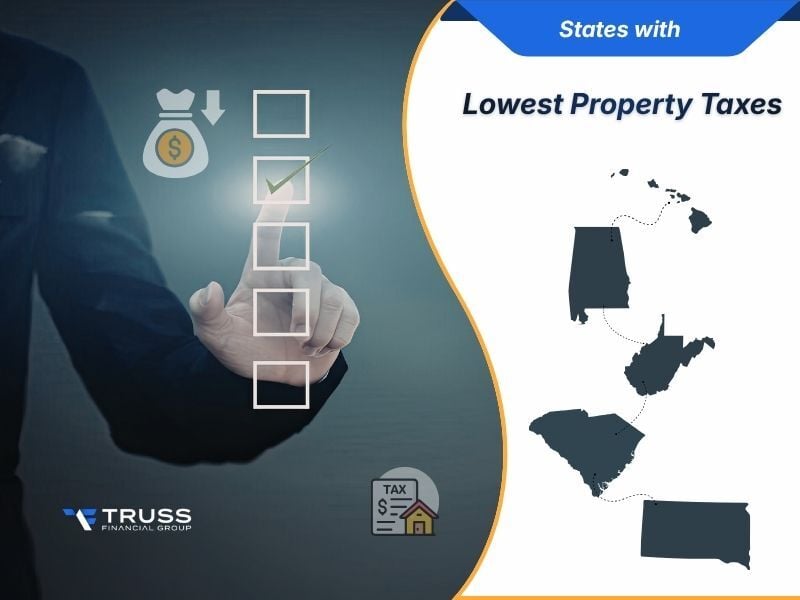
States with the Lowest Property Taxes in the U.S.
States with the lowest tax as well as lower effective tax rate percentages are relatively more affordable and offer lower average tax bill amounts for the typical homeowner.
Hawaii
Hawaii is known for offering the lowest property taxes; even though they have relatively high median home values, the state maintains an extremely low effective property tax rate. Although home prices are expensive, the lower tax structure helps reduce the annual tax bill for many owners.
According to the Tax Foundation, Hawaii had the lowest effective property tax rate in the United States at approximately 0.27% in recent state tax rankings, making it one of the most tax-friendly states for homeowners despite high property values.
Source:
Tax Foundation Property Tax Rankings
Alabama
Alabama is one of the most affordable states for homeowners given its low state property taxes and moderate housing prices. Along with the median, real estate taxes to be paid annually are also below the national average, making it attractive for retirees and families.
West Virginia
West Virginia is amidst the states with the lowest property taxes, given an affordable housing market and manageable local property tax rate. With reduced home values, the total taxes paid annually are also relatively lower.
South Carolina
South Carolina provides competitive tax structures with some benefits for homeowners with available homestead exemption options and property tax relief programmes. Even the senior citizens, veterans, and certain disabled individuals benefit.
South Dakota
Homeowners needn’t pay state income tax in South Dakota, making it a favorite amidst retirees and investors. While the taxes may be moderate, the overall housing affordability and relatively lower property tax bills invite buyers to invest.
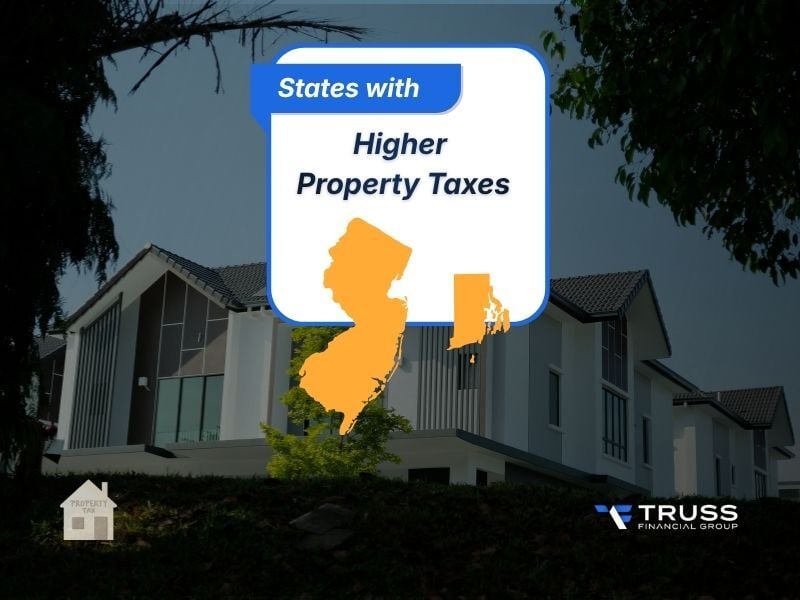
States with Higher Property Taxes
Few states also maintain affordable taxes, whereas certain others rely on property taxes annually to manage public project expenditure. States with the highest property taxes become relatively more expensive when it comes to housing markets and higher local government expenses.
New Jersey
New Jersey has one of the highest property tax rate averages in America. Homeowners with average-sized properties often pay a large annual property tax bill.
Data from the U.S. Census Bureau continues to show New Jersey among the states with the highest property taxes, with effective property tax rates often exceeding 2% of a home's assessed value annually.
Source: U.S. Census Bureau Housing Data
Rhode Island
Rhode Island also ranks among states with elevated taxes because many municipalities depend heavily on residential property taxes to maintain public infrastructure and community services.
Why Property Tax Rates Vary So Much
There are several reasons why property taxes vary from state to state:
1. Home Values and Median Prices
Areas with a higher state's median home price generate larger tax collections even if rates appear moderate.
2. Dependence on Local Revenue
Certain states run their public projects with income generated from property taxes instead of higher sales tax or state income taxes.
3. Local Services
Communities with larger school districts, transportation systems, and emergency departments generally require more funding.
4. Tax Relief Programs
Most states offer tax breaks and property tax relief options for:
- Low income homeowners
- Disabled veterans
- Individuals with prior military service
- Surviving spouses
- Owners of primary residences
These programmes reduce the home's property's taxable value and taxes substantially.
Important Factors Beyond Property Taxes
Finding homes with the lowest property tax rates helps. A buyer must assess financial stability when purchasing a property.
Important considerations include:
- Overall cost of living
- Local sales tax
- Insurance expenses
- Mortgage rates
- Future appreciation potential
- Employment opportunities
- Infrastructure development
Data Sources Used for Property Tax Comparisons
Most national tax comparisons are based on research from:
- The US Census Bureau
- The American Community Survey
- State tax departments
- County government reports
These tax reports help homeowners compare the median property taxes and pay according to the median home price in each state.
Selecting a Tax-Friendly State for Homeownership
States with the lowest property taxes help homeowners manage long-term expenses related to housing needs, and choosing a suitable state is essential. States like Hawaii, Alabama, South Carolina, South Dakota, and West Virginia charge lower property tax, effective tax rates, affordable housing opportunities, and property tax relief programmes make these states a favorite amidst several homebuyers.
While it’s crucial to select states with lower property tax, it is also essential to know what defines a property tax and why it varies, how a home's assessed value is calculated, and what exemptions there are when purchasing a property.
We recommend collaborating with reputed financial advisors like Truss Financial Group, who can help assess affordability and long-term investment potential and guide you about the financial impact of ongoing costs such as property taxes, enabling clients to make smarter real estate decisions with greater confidence.
Frequently Asked Questions
Which states have the lowest property taxes?
States with the lowest property taxes include Hawaii, Alabama, West Virginia and South Carolina.
How is an annual property tax bill calculated?
The local governing body determines the annual property tax basis, the home's assessed value, local mill rates, and applicable exemptions.
Why do property tax rates vary by state?
Property tax rates vary significantly, with every state having its own funding systems, housing prices, public spending requirements, and local tax structures.
Are there property tax exemptions for homeowners?
Most states provide property tax exemptions and property tax relief programmes for senior citizens, veterans, low-income families, and owners of primary residences.
Which state has the highest property taxes?
New Jersey is commonly known for having some of the highest property taxes in the United States.

.svg)

Discuss your unique requirements
Get direct answers and a roadmap for your future.
.png?width=202&height=202&name=image%20588255187%20(1).png)

.png?width=389&height=221&name=White%20Gray%20Monochrome%20Business%20Company%20Blog%20Banner%20(14).png)

-1.png?width=389&height=221&name=Blog%20covers%20(33)-1.png)



.svg)

.svg)
.svg)