.svg)



%20(1).svg)
%20(2).svg)
.png?width=480&height=420&name=Img%20(1).png)
%20(3).svg)
%20(4).svg)

%20(5).svg)


 View all states

13 mins
In this blog
Key Takeaways
- Condotel mortgages are non-warrantable loans that require specialized lenders and typically 20-25% down payments
- DSCR loans, bank statement loans, and no-doc options make condotel financing possible even when traditional banks say no
- Short-term rental income from condotels can offset mortgage payments and qualify you for better loan terms
Introduction
Are you thinking about investing in a vacation property that generates income? Condotel mortgages make it possible to own a piece of paradise while earning rental income when you're not using it. But here's the catch: most traditional banks won't finance these properties. That's where specialized lenders like Truss Financial Group step in with flexible loan programs designed specifically for condotel buyers and real estate investors.
What Is a Condotel?
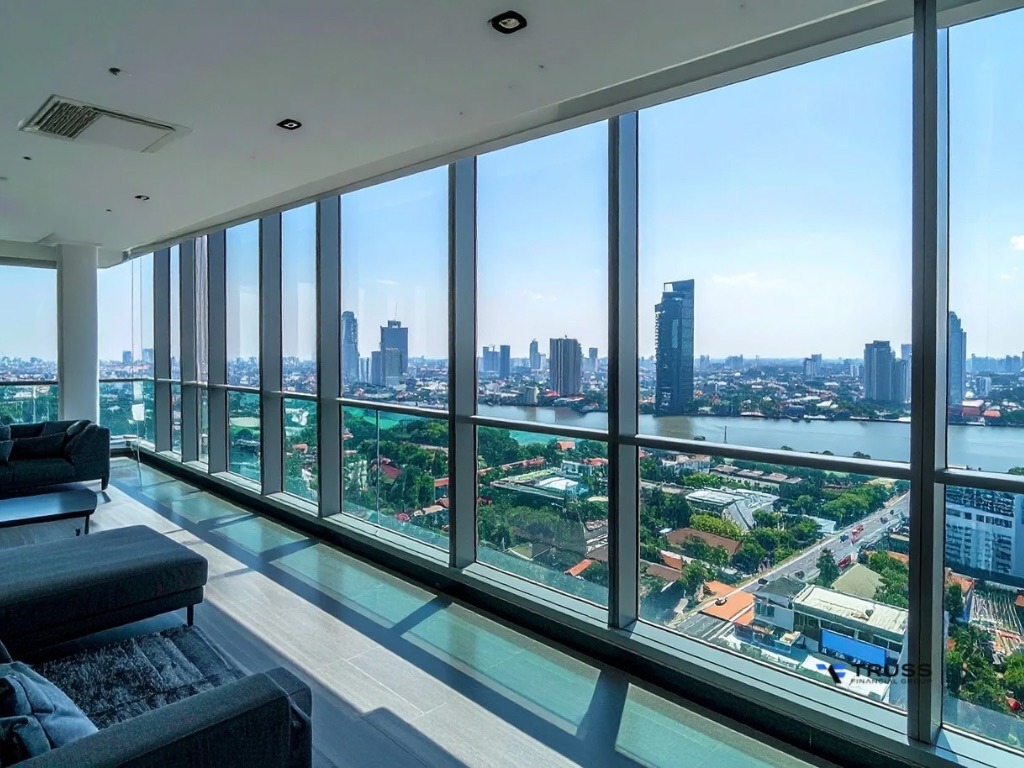
A condotel, or condo hotel, is a unique hybrid between a condominium and a hotel. Buyers own individual units in a hotel-managed property and often enjoy the best of both worlds: personal use of the unit and short-term rental income when they're away.
Condotels are especially attractive for vacation home buyers, real estate investors, and high-net-worth individuals seeking luxury amenities and ROI. These properties combine the ownership benefits of real estate with the convenience of hotel-style services like concierge, housekeeping, and on-site rental management.
What Makes Condotels Unique for Investors?
Unlike traditional condos, condotel properties are designed to generate rental income through short-term rentals. When you're not using your unit, the management company handles everything from booking guests to cleaning and maintenance. This turnkey approach appeals to investors who want passive income without the typical landlord responsibilities.
Popular condotel locations include Miami, Las Vegas, Orlando, and other tourist-heavy destinations where demand for vacation rentals remains strong year-round. The dual-use nature means you can enjoy luxury vacations while your investment works for you.
How Condotels Differ from Traditional Condos?
The main difference lies in how the property operates. Here's a clear comparison:
|
Feature |
Traditional Condo |
Condotel |
|
Primary Use |
Long-term residence |
Short-term vacation rentals |
|
Occupancy |
Owner-occupied or annual leases |
Daily/weekly hotel guests |
|
Management |
HOA-controlled |
The hotel operator managed |
|
Services |
Basic maintenance |
Housekeeping, concierge, room service |
|
Check-in |
Private unit access |
Front desk services |
|
Rental Income |
Long-term rental potential |
Short-term rental income |
|
Financing |
Conventional loans available |
Requires specialized lenders |
|
Warrantable Status |
Usually warrantable |
Typically non-warrantable |
This hotel-like operation creates challenges for financing. Most condotel properties don't meet Fannie Mae and Freddie Mac guidelines because of high short-term rental activity, commercial spaces, and management company involvement. That's why specialized loan programs exist specifically for condotel mortgages.
Why Condotel Financing Is Different?
Most lenders treat condotel mortgages as non-warrantable condo loans, which means they don't meet conventional guidelines set by Fannie Mae and Freddie Mac. Traditional banks avoid these properties because they see them as higher-risk investments tied to tourism fluctuations and hospitality competition.
Challenges with Traditional Mortgage Approval
When you apply for a condotel mortgage, you'll face stricter lending guidelines than you would with a standard condo purchase. Lenders worry about the stability of rental income, the resale market for condotel units, and the financial health of the homeowners' association.
Many condotel properties also have pending litigation, high investor ownership ratios, or mandatory rental pool participation. These factors automatically disqualify them from conventional financing, leaving buyers to seek alternative options.
Why Most Banks Avoid Condotel Loans
Big banks like Wells Fargo and Chase typically don't offer condotel financing because these properties fall outside their underwriting standards. The hotel operator involvement, short-term rental income reliance, and non-residential features make traditional lenders uncomfortable.
This leads to higher interest rates, larger down payment requirements (often 20-25%), and limited lender options. But here's the good news: specialized lenders fill this gap with tailored condotel loan programs designed specifically for real estate investors and second home buyers.

Condotel Financing Options: What Are Your Choices?
Condotel mortgages require specialized financing programs. Here are your options:
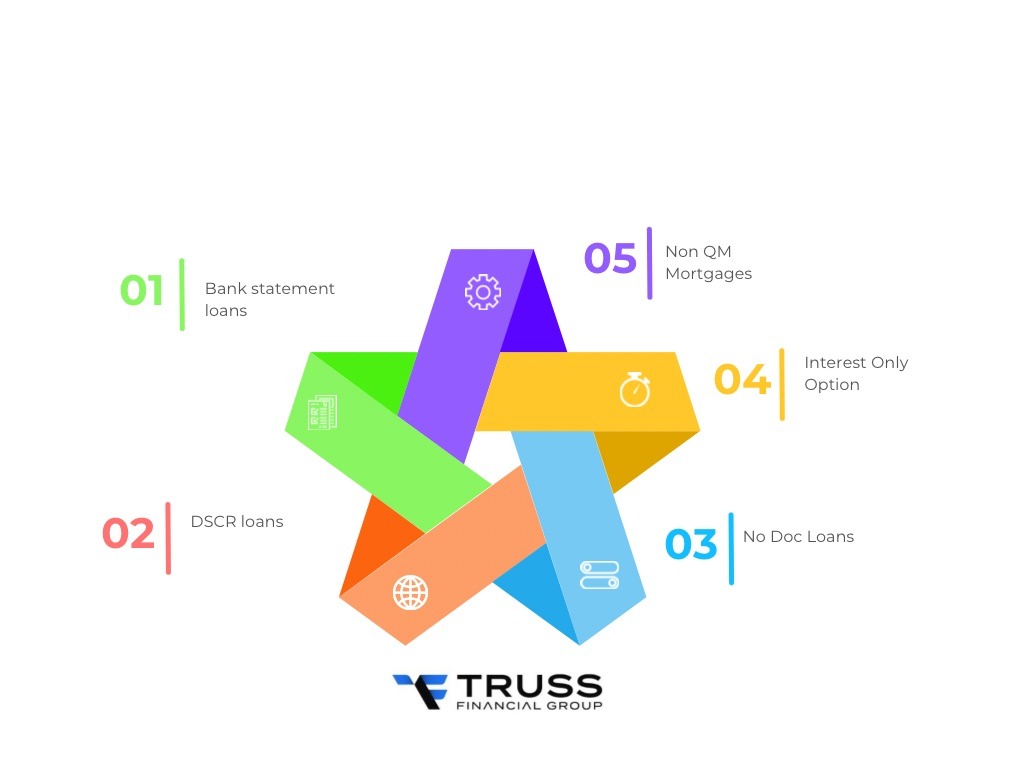
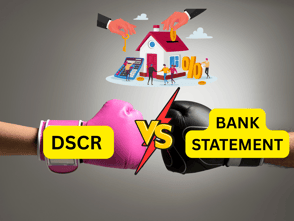
- Bank Statement Loans – Ideal for self-employed investors who can't provide traditional tax returns or W-2s. Lenders verify income using 12-24 months of bank statements instead.
- DSCR Loans – Debt Service Coverage Ratio loans evaluate the property's rental income potential rather than your personal income. If the condotel unit generates enough income to cover the mortgage payment, you can qualify.
- No-Doc Loans – Stated income programs that require minimal documentation. Perfect for investors with complex finances or significant assets who prefer a streamlined approval process.
- Interest-Only Options – Maximize cash flow early on by paying only interest for the first 5-10 years. This strategy works well when rental income covers the payment, and you want to preserve capital for other investments.
Some lenders specialize in non-QM mortgages, including condotel loan programs tailored for real estate investors.
Key Features & Benefits of Condotel Loans
Key Features
- Higher Down Payments (20-25%) – Most condotel lenders require at least 20% down, though some properties or borrower profiles may need 25-30%. This protects the lender, given the non-warrantable status of condotel properties.
- Non-Warrantable Property Eligibility – Unlike traditional banks, specialized lenders approve buildings with hotel operations, short-term rentals, and rental pool agreements.
- Shorter Loan Terms – Many condotel mortgages come with 15-20 year terms rather than the standard 30-year option. This reduces lender risk but may increase monthly payments.
- Rental-Income-Based Qualification – DSCR loan programs allow the property's income potential to qualify you instead of relying solely on your personal income and debt-to-income ratio.
- Interest-Only Payment Options – Keep monthly payments lower during the early years while building equity through appreciation and principal paydown later.
- Stated Income / No Tax Return Programs – Perfect for self-employed borrowers, business owners, or investors who prefer not to document every income source through tax returns.
Benefits for Investors
- Dual-Use Flexibility – Use your condotel unit as a vacation home and generate rental income when you're not there. This combination justifies the investment for many buyers.
- Passive Income Through Short-Term Rentals – The management company handles bookings, guest services, cleaning, and maintenance. You collect income without typical landlord headaches.
- Turnkey Property Management – Hotel operators manage everything from marketing to operations. Your only job is to enjoy the property and cash the checks.
- Luxury Amenities with Ownership Benefits – Enjoy resort pools, fitness centers, spas, and concierge services typically reserved for hotel guests, but with the pride and tax benefits of ownership.
- Alternative Financing Flexibility – Work with lenders who understand non-warrantable properties and offer creative solutions that traditional banks won't touch.

What Makes a Condotel Non-Warrantable?
Fannie Mae and Freddie Mac won't back condotel loans due to several factors that increase risk in their eyes:
- Daily/Weekly Rentals – Short-term rental activity makes the building operate more like a hotel than a residential community, which violates conventional guidelines.
- High Percentage of Short-Term Rentals – If more than 50% of units are rented out short-term or owned by investors, the project is considered non-warrantable.
- Hotel-Like Amenities and Commercial Usage – Front desk services, daily housekeeping, room service, and commercial spaces like restaurants signal hotel operations rather than residential use.
- On-Site Management or Rental Desks – When a hotel operator or management company controls bookings, guest services, and property operations, lenders see this as a commercial enterprise.
This limits conventional financing options. That's why private lenders and non-QM loans dominate the condotel mortgage space.
What Are Current Condotel Mortgage Rates?
Condotel mortgage rates vary widely depending on the property type, loan size, and borrower profile. Here's what you can generally expect:
|
Loan Type |
Average Interest Rate |
Down Payment Requirement |
|
Traditional Condotel Loan |
8% – 10% |
20% – 25% |
|
DSCR Loan |
7.5% – 9.5% |
20%+ |
|
Stated Income |
9% – 11% |
25% |
Note: Rates change frequently based on market conditions, your credit score, the property location, and the loan-to-value ratio. Reach out to your lender for a custom rate quote based on your specific situation.
Factors that influence your condotel mortgage rates include credit score (680+ preferred), down payment amount, the property's rental history, and whether you're using the unit as a second home or investment property. Stronger borrower profiles and larger down payments typically secure better interest rates.
Who Are the Top Condotel Mortgage Lenders?
Traditional banks like Wells Fargo and Chase often don't touch condotels. But niche lenders fill the gap with specialized loan programs designed for non-warrantable condo financing.
At Truss Financial Group, the team helps buyers close condotel loans across popular vacation destinations:
- Florida (Miami, Orlando, Destin)
- California (Palm Springs, Santa Barbara)
- Nevada (Las Vegas Strip)
- Hawaii (Oahu, Maui).
Offerings include no-doc options, fast approvals, and access to programs most lenders don't even advertise.

Short-Term Rental Income: A Game-Changer
Condotel owners often use short-term rental income to offset mortgage payments, HOA fees, and maintenance costs. In high-demand tourist areas, rental income can even exceed your monthly expenses, creating positive cash flow from day one.
Lenders may allow rental income to count toward loan qualification, especially with DSCR or asset-based loans. Instead of proving personal income through tax returns and W-2s, you demonstrate that the property generates enough income to cover the debt service.
Tip: Have a pro forma or Airbnb rental projection ready before applying. It helps support your financing case and shows lenders the income potential of your condotel unit.
Can You Refinance a Condotel Loan?
Yes, refinancing is possible, especially after you've built up equity or improved your credit score. Options include:
- Rate-and-Term Refinance – Lower your interest rate or switch from an adjustable-rate to a fixed-rate mortgage. This can reduce monthly payments and provide long-term stability.
- Cash-Out Refinance – Tap into built-up equity to access funds for renovations, additional investments, or other financial needs. Many investors use cash-out refinancing to purchase additional condotel units.
- Switching to Interest-Only Terms – Improve cash flow by converting to an interest-only payment structure. This works well when you want to maximize rental income or free up capital for other opportunities.
Want to know your options? Get a no-obligation refinance quote from us to explore how refinancing could improve your investment returns.
Condotel Mortgage Calculator
A condotel mortgage calculator helps you estimate monthly payments based on purchase price, down payment amount, interest rate, and loan term. These calculators factor in the unique aspects of condotel financing, like higher interest rates and larger down payments.
Use a mortgage calculator to model different scenarios before applying. You can adjust variables like down payment percentage, loan term length, and interest rates to see how they impact your monthly payment and total interest paid over the life of the loan.
Understanding your payment requirements upfront helps you budget accurately and determine how much rental income you'll need to break even or generate positive cash flow. This planning step is crucial for making smart investment decisions.
Is Buying a Condotel a Good Investment?
Pros:
- Dual-purpose property providing personal use plus rental income
- Managed like a hotel with low hassle and professional oversight
- High demand in tourist-heavy locations ensures steady bookings
- Luxury amenities and services without full-time maintenance responsibilities
- Potential for appreciation in desirable vacation markets
Cons:
- Financing can be tricky with limited lender options
- High HOA fees cover management and amenities
- Limited resale market compared to traditional condos
- Income tied to tourism and seasonal demand
- Restrictions on personal use during peak rental periods
But for many investors, it's worth it. The combination of lifestyle benefits and income potential makes condotels attractive despite the financing challenges. Working with the right lender who understands these properties ensures you get the best possible terms.

FAQs
Can you get a mortgage on a condotel?
Yes, you can get a mortgage on a condotel, but you'll need to work with specialized lenders who offer non-warrantable condo loans. Traditional banks typically don't finance condotels because they don't meet Fannie Mae and Freddie Mac guidelines. Expect to put down 20-25% and secure financing through programs like DSCR loans, bank statement loans, or no-doc options.
Is buying a condotel a good investment?
Buying a condotel can be a good investment if you want a dual-use property that generates rental income and serves as a vacation home. The key is choosing a location with strong tourism demand and working with a management company that maintains high occupancy rates. Consider the higher financing costs and HOA fees when calculating your return on investment.
How much is a mortgage on a $500,000 condo?
On a $500,000 condotel with 20% down ($100,000), your loan amount would be $400,000. At an 8.5% interest rate on a 30-year term, your monthly principal and interest payment would be approximately $3,075. Add HOA fees, property taxes, and insurance to get your total monthly payment. Use the mortgage calculator to model your specific scenario.
Can I refinance my condotel loan?
Yes, you can refinance a condotel loan to lower your interest rate, change loan terms, or access equity through a cash-out refinance. Refinancing options depend on your credit score, the property's value, and current market conditions. Contact us for a free refinance evaluation to see how much you could save.
What are the disadvantages of a condotel?
The main disadvantages include limited financing options, higher interest rates and down payments, expensive HOA fees, restrictions on personal use during peak seasons, and a smaller resale market compared to traditional condos. Additionally, your rental income depends on tourism demand, which can fluctuate seasonally or during economic downturns.
What is the 3 7 3 rule for a mortgage?
The 3 7 3 rule refers to timing requirements in mortgage lending: you must receive loan disclosures 3 business days after applying, wait 7 business days after receiving the Closing Disclosure before closing, and have 3 business days to review the Closing Disclosure before signing. This rule protects borrowers by ensuring adequate time to review loan terms and costs before finalizing the deal.
Ready to Invest in a Condotel?
Don't let financing challenges stop you from owning your dream investment property. Get a personalized condotel mortgage quote from our team of experts who specialize in non-warrantable condo financing.
Check out our specialized loan programs like DSCR loans, bank statement loans, no-doc loans, and asset depletion loans.
Ready to discuss your condotel financing options? Our loan specialists at Truss Financial Group understand the unique challenges of condotel mortgages and have access to 90+ lenders. We'll help you find the right loan program and secure competitive rates.

.svg)

Discuss your unique requirements
Get direct answers and a roadmap for your future.
.png?width=202&height=202&name=image%20588255187%20(1).png)

-1.png?width=389&height=221&name=Blog%20covers%20(4)-1.png)




.svg)

.svg)
.svg)